
DESTINATION GUIDE · FINNISH LAPLAND
Lapland
Where winter is not a season but a place.
Begin a conversationThe Editorial Introduction
Lapland is Europe’s last great wilderness: an Arctic region of snow-laden forest, long blue light and living Sámi culture, of which Father Christmas is a single chapter. Maison Emerald plans it as a composed winter journey, based well and booked early, because in Lapland the finest of everything is committed months in advance.
The market has spent thirty years compressing this region into one week and one man. The result is a version of Lapland that arrives by charter flight, queues for half an hour of Father Christmas, eats in a canteen among day trippers and leaves the same evening, having stood inside the Arctic Circle without ever meeting the Arctic. It is the most efficiently packaged disappointment in winter travel, and it is entirely avoidable.
The real Lapland is a place of geography before it is a place of folklore. Above the sixty-sixth parallel the forest thickens, the light turns blue for hours at a time, and a culture that has survived here for millennia goes about its winter with a hospitality that surprises every guest who meets it properly. Families come for a bucket-list Christmas; couples come later in the season, for the aurora and the silence.
What separates an adequate trip from an extraordinary one is decided long before departure: the choice of base, the pacing of the Arctic’s brief daylight, and the willingness to commit early to houses and tables that are never advertised and rarely available late. This guide explains how the place actually works, where it goes wrong, and how the house thinks about getting it right.
Lapland is planned in autumn and lived in winter.
They call it once in a lifetime. Nobody who does it well goes once.
How Lapland Goes Wrong
Lapland is one of the easiest places in the world to plan adequately and one of the hardest to plan well. The difference is rarely budget. It is a handful of avoidable mistakes, most of them made months before anyone packs a bag.
Booking it like a normal winter trip.
Lapland does not behave like the Alps or the Caribbean. The finest private villas are taken months ahead and the very best are not bookable online at all; the genuinely good restaurants and the small-scale experiences sell out to those who committed in autumn. Book late and the trip is assembled from what remained: the second-choice base, the larger group activity, the table nobody else wanted. The journey still happens. It is simply built from leftovers.
Building the journey around Father Christmas.
The encounter itself lasts perhaps thirty minutes. Families fly four hours for it and, if it becomes the organising purpose, miss the region entirely. The commercial versions compound the error: heavily trafficked grottos and day-trip circuits that consume time, money and patience while delivering the plastic-beard version of something that, done privately, is genuinely moving. Father Christmas belongs in a Lapland journey the way a single course belongs in a dinner.
Choosing the base from a photograph.
At minus thirty, the base is where the trip is lived. Every departure means kit, transfers and cold logistics, so the question is never how a property looks but how life inside it works: space to retreat to, warmth to return to, and a position that makes the day’s experiences short journeys rather than expeditions. A beautiful room in the wrong place turns a holiday into a commute.
Misreading the daylight.
Deep December offers a short ration of light. An itinerary written for a normal destination collapses here: overpack it and the family spends the trip on a schedule in the dark; underpack it and the precious hours are wasted. The daylight is not a limitation to survive. It is the design constraint the entire day is composed around, with the blue hours, the spa and the fireside carrying everything the light cannot.
Accepting the logistics of the crowd.
Coach transfers, thirty visitors circling ten reindeer, buffet halls turning over day trippers by the hundred. None of it is dangerous. All of it reduces the Arctic to a queue, and it is no kinder to the animals and the culture than it is to the traveller. The wrong Christmas week is not the expensive one. It is the one spent standing in line.
Understanding Lapland
Sophisticated travellers do not need an encyclopaedia entry on Lapland. They need the structure of the decision: where its regions differ, how the journey in actually works, and what the light and the cold do to a day.
The Shape of the Place.
Lapland is the broad Arctic crown of the Nordic countries. The Finnish side holds the deepest concentration of refined places to stay, from wilderness lodges to design hotels, set among low fells and some of the densest snow forest in Europe. Across the Swedish border sits a smaller, design-led cluster, home to some of the most architecturally ambitious hotels in the world. The two sides reward different instincts: Finland for depth and comfort, Sweden for the singular building. This guide leans Finnish, with the Swedish counterpoint named where it earns its place.
The Hubs.
Rovaniemi.
The gateway and the natural first-time base, particularly for families: the best flight connections, the widest choice of experiences within short reach, and, minutes outside the city, properties remote enough that the town disappears entirely.
Levi and Saariselkä.
The wilderness registers. Fell country, longer distances, fewer people; the versions of Lapland chosen by returning travellers and by anyone whose priority is the landscape rather than the programme.
The Far North.
Beyond Saariselkä towards Inari and Utsjoki the crowds fall away and the aurora season stretches longest. This is where the northern lights are pursued seriously, and where the journey trades convenience for darkness and distance.
The Swedish Side.
ICEHOTEL territory: a shorter list of places, several of them world-famous buildings, best treated either as a journey of its own or as a deliberate one-night counterpoint rather than an add-on.
Getting There.
Helsinki is the gateway, with year-round connections north and, in winter, direct seasonal flights from across Europe into Rovaniemi, Kittilä and Ivalo. From this October, Emirates opens the first year-round nonstop between Dubai and Helsinki, a daily A350 service that puts the Arctic Circle one connection from the Gulf, timed well for the season. Private aviation reaches the northern fields directly. Around the festive period, routings through London or Paris let a family fold Christmas shopping into the journey home.
The practical truth clients most often miss: the flight is the simple part. It is the final hour, airport to lodge, kit and children in tow at minus twenty, that decides how the trip begins, and it is arranged, never improvised.
The Daylight and the Cold.
In deep December the sun barely crosses the horizon. True daylight shrinks to a couple of hours at the Arctic Circle and disappears altogether in the far north, yet the usable light is longer than the almanac suggests: around four workable hours at midwinter, held open by the long blue twilight photographers cross the world for. Temperatures sit comfortably below minus twenty and can pass minus thirty. Neither is a hardship when the day is designed for it; both are punishing when treated as afterthoughts.
What the almanac cannot convey is what those hours feel like. The world turns a deep, glassy blue, sound falls out of the air, and the snow holds the light long after the sun has gone. Travellers stand still in it without being asked.
The December Day.
The blue morning.
The slow, luminous start: breakfast unhurried, kit on, the plan confirmed against the forecast.
The bright window.
The middle hours carry whatever must be seen: the huskies, the reindeer, the fells.
The blue afternoon.
The day’s most beautiful light: the sauna, the workshop, the ice bath, the fire.
The dark.
The sky becomes the programme: dinner by the stove, and the aurora pursued on forecast, not on schedule.
The Pace.
Three nights is the house preference for a first journey: enough to breathe, short enough to hold the magic taut. Four or five nights is where Lapland becomes truly itself, with room for the aurora to be pursued rather than hoped for. One base where possible; in this climate, minimal movement is the luxury.
Who It’s For.
Lapland can carry almost any occasion, provided the version matches the reason. The family bucket-list Christmas belongs near Rovaniemi, built around the children’s stamina and one private encounter done properly. The engagement or the couple’s escape belongs later in the season and further north, aurora-led, with the crowds gone. The three-generation gathering belongs in a private villa with its own chef, where the household never has to leave. The corporate group comes for the theatre the Arctic does better than anywhere: ice driving, aurora pursuit, wilderness dinners.
Who is it not for? The traveller who measures a destination by its restaurant list and its marble lobbies. Lapland has neither grand-chain palaces nor a fine-dining scene, and it is honest about both. What it offers instead is covered in the movements that follow.
THE MAISON PERSPECTIVE
How we think about Lapland
“Christmas week is the worst value of the season, and exactly right for one traveller.”
The fortnight around Christmas is Lapland at its peak price, thickest crowds and tightest availability, and for couples, friends and corporate groups it is simply the wrong purchase: January offers the same snow, the same lights and the same lodges with the region to yourself. The exception is the family with young children, for whom Christmas week is not a date but the entire point. Get this wrong in either direction and the cost is real. The couple who default to Christmas pay the season’s premium to share their silence with its largest crowds. The family who are talked into January for value discover that a seven-year-old’s Christmas cannot be rescheduled.
“Father Christmas is a third of Lapland. The market sells him as all of it.”
Perhaps thirty to forty per cent of what the house arranges in Lapland touches Father Christmas at all. The rest is the region itself: the Sámi and their history of thriving where almost nothing else survives, the geography and its strange light, the huskies, the fells, the fire and the ice. A journey built on the encounter alone forfeits everything that would have made the family return, and it dates instantly; the child grows one year older and the trip’s entire premise expires. Journeys built on the place itself are the ones that get repeated.
“The base matters more than anything you do from it.”
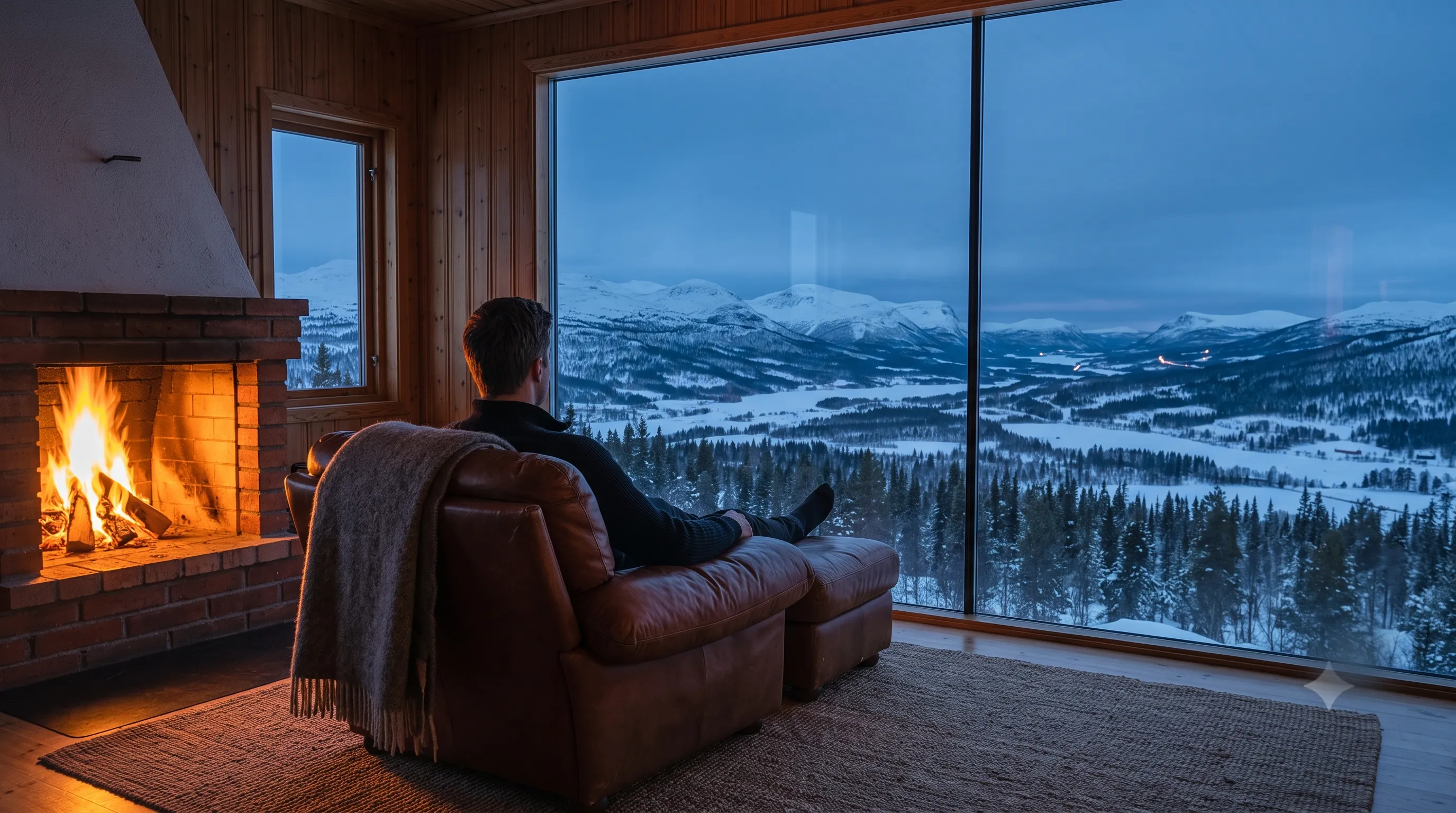
In most destinations accommodation is where the day ends. At minus thirty it is where the day happens: the spacious, warm centre that every activity departs from and returns to, briefly. Choose the base for position, comfort and life indoors, and the whole journey shortens into ease; the sauna, the fireside and the view do half the work of the itinerary. Choose it from a photograph and every excursion begins with a transfer and ends with tired children in a cold car, and the most beautiful room in the Arctic will not buy that time back.
“Nobody goes to Lapland for fine dining. Pretending otherwise ruins the table.”
There is no constellation of starred rooms here, and the honest guide says so. What Lapland does hold is some of the freshest produce in Europe, cooked close to where it lived: reindeer, Arctic char, cloudberries, game and fire. The traveller who arrives expecting three-star theatre is disappointed by dinner every night; the one who understands what the table actually is eats some of the best meals of their year in a wilderness cabin lit by a stove. Expectation is the ingredient the kitchen cannot supply. Matching it is the judgement, and it starts with the honest sentence above.
Choosing Experiences
Lapland is not chosen from a list of things to do. It is chosen through four decisions, and the first one carries the other three.
Where You Stay.
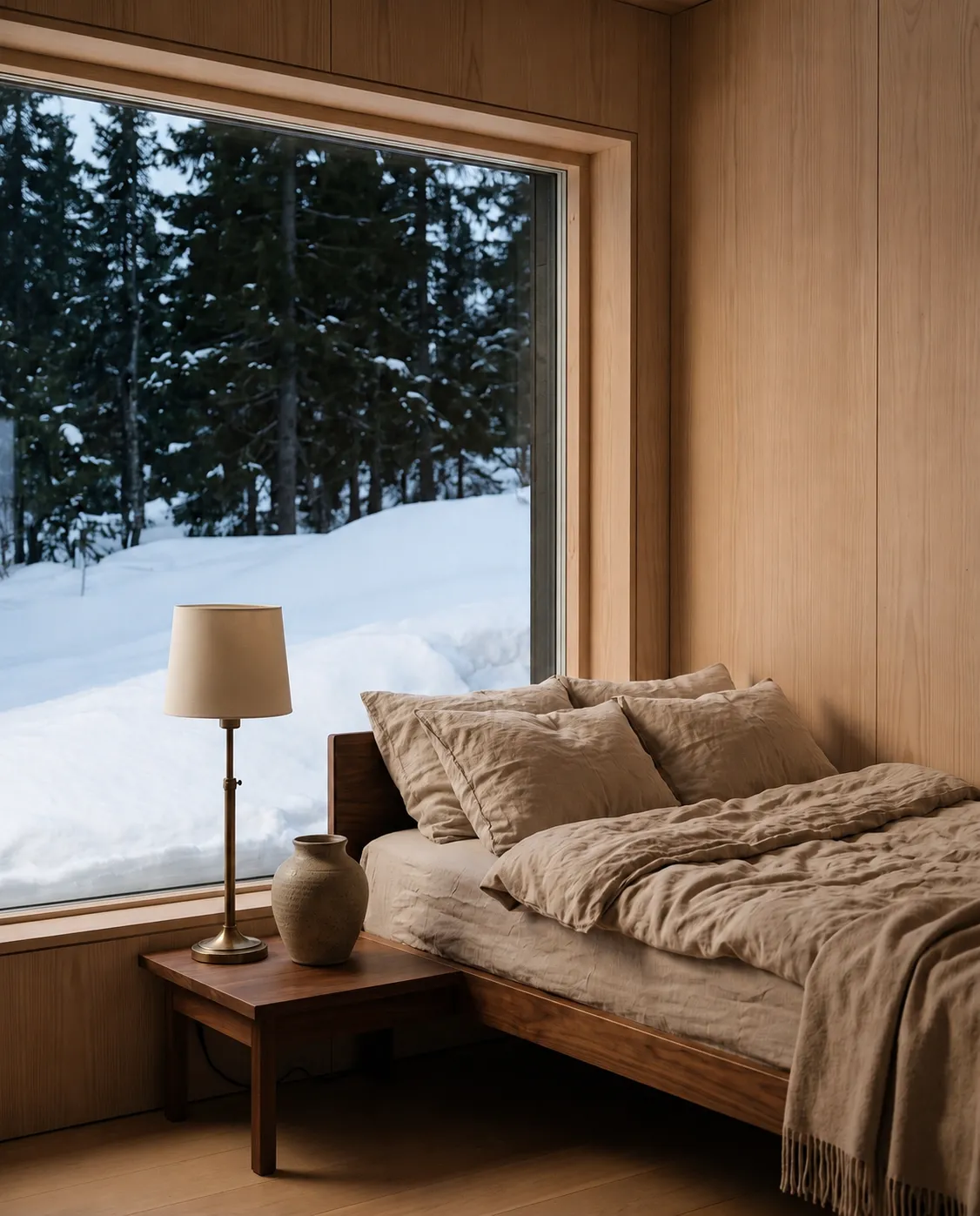
The styles frame the choice before any property does. The exclusive-use wilderness lodge is the top of the market: a private reserve run for one household, with its own kitchen, guides and programme, suited to three generations at Christmas or an incentive group that needs the Arctic to itself. The design hotel trades privacy for polish and position. The glass igloo trades space for the sky, and is at its best as a chapter of a journey rather than the whole of it. The private villa is the quiet answer for families who want a home rather than a hotel; the finest are never advertised and not bookable online, which is precisely why they reward early commitment.
Within those styles, the houses the house actually stands behind. Octola is the apex of Finnish Lapland: a private wilderness reserve whose exact location is deliberately undisclosed, taken in its entirety, where the isolation is the product; the answer for the multi-generation Christmas or the incentive group whose brief is simply the best. Jávri Lodge, in Saariselkä half an hour from Ivalo’s airfield, is the adult register: a former presidential retreat turned small adults-only lodge on the edge of a national park, right for couples and small parties who want the wilderness without theatre.
Arctic TreeHouse Hotel suits the first-time family: design-led nests in the forest on the Arctic Circle, minutes from Rovaniemi’s airport and within walking distance of Santa Claus Village, so young children are never far from anything. SkyView Igloo Resort, outside Rovaniemi, is a house favourite for the sky itself: private glass igloos, each with its own sauna and outdoor jacuzzi, a rooftop spa, and a serious kitchen, the rare igloo stay that does not ask comfort to be the sacrifice. Design Hotel Levi anchors the fell country from the heart of the Levi resort, slopes at the door, for those who want the fells with a hotel’s ease.
Across the border, the Swedish trio, ICEHOTEL, Treehotel and Arctic Bath, are journeys to buildings as much as places, best planned as a deliberate counterpoint of a night or two.
The house holds direct relationships across this list and arranges exclusive use where a journey calls for it, with private chefs, transport and the day’s experiences managed as one household rather than a set of bookings. Access and recognition are relationship-led and depend on the property, the dates and the individual stay; they are arranged, not assumed.
How You Move.
In this cold, movement is the expensive currency, so the house designs to spend as little of it as possible. Private transfers from the airfield, distances measured honestly, and a base positioned so the day’s experience is minutes away rather than an expedition. No Maison Emerald client boards a coach. The kit, from thermal layers to children’s suits and boots, is arranged before arrival, sizes taken before departure so that everything is hanging and waiting at the lodge, because the Arctic forgives almost everything except improvisation.
The Encounters.
The same experience exists in two versions everywhere in Lapland, and the difference is scale. Ten visitors circling thirty reindeer is an afternoon a family remembers; thirty visitors circling ten reindeer is good for neither the traveller nor the animal. The judgement is always the same: smaller, slower, further from the coach park, with the people whose animals and land these actually are. The genuine version usually costs no more. It simply sells out first.
The Table.
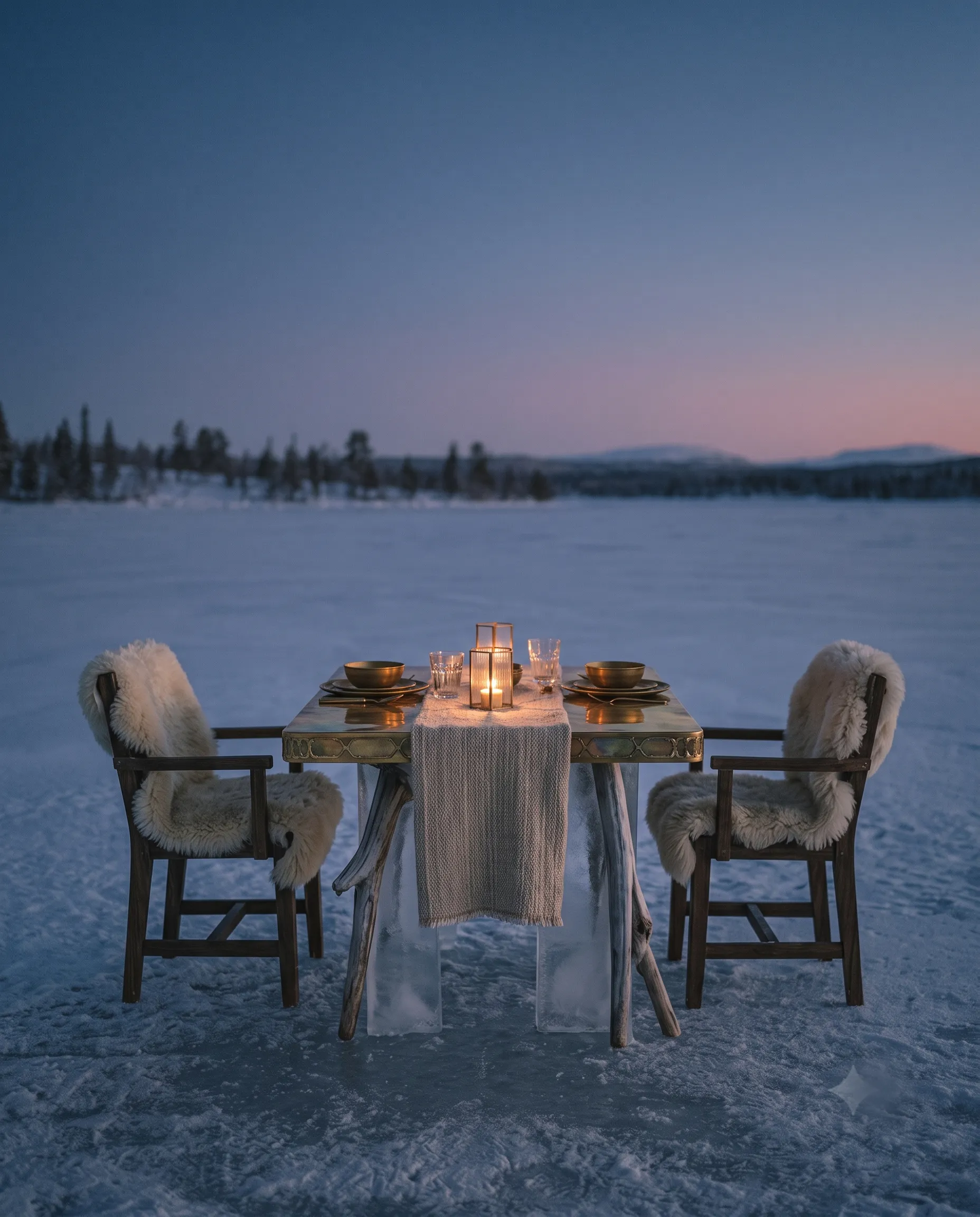
Read the fourth judgement above before booking a single dinner. Lapland’s table is freshness, fire and proximity: reindeer and char, game and berries, cooked near where they lived. The handful of genuinely fine rooms, and they exist, book out months ahead in season; the alternative is the buffet hall turning over day trippers by the hundred, and that is not an alternative the house accepts. The best meals here are often the wildest ones: a cabin, a stove, a chef, and nothing else for twenty kilometres.
Designing the Journey
Knowing what Lapland holds is the beginning. Composing a journey from it, in a place where the light is rationed and the cold rewrites plans, is a separate and larger craft. This is how it is actually done.
Pace.
Three nights for a first journey; four or five where the trip is the year’s centrepiece. One base, or two at most, and the second only when it earns its transfer: a Finnish lodge paired with a Swedish night of architecture, or Rovaniemi’s ease followed by the far north’s darkness. Every additional move is paid for in kit, cold and children’s patience, and the exchange rate is poor.
Sequence.
The composition starts nowhere near a map. It starts with what the journey is emotionally for: the question the house asks before any other is what the family wants to feel on the flight home. Build from that answer and everything else falls into order; Father Christmas, if he features at all, is placed as one morning among several, never the spine.
The order most people get wrong is emotional, not geographical: they spend the biggest experience on the first day and leave the trip nowhere to rise. The aurora nights go late in the journey, when eyes have adjusted to the dark and the place; arrival day is kept deliberately soft, because nobody meets the Arctic well straight off an aircraft.
Combinations.
Helsinki makes a natural bookend, and Stockholm and Copenhagen extend the Nordic thread. Around the festive season the stronger pairing is often westward: London or Paris on the way home, folding Christmas shopping into the journey, where the house’s private arrangements at selected European houses and stores do their quiet work. What to resist is the everything trip, the itinerary that treats Lapland as one stop on a European tour. The Arctic sets its own pace; strapped to a capital-a-day schedule, it gives almost nothing back.
Transfers.
Journeys break at the joins, and in Lapland the joins are unforgiving. The final hour, airfield to lodge, is arranged to the minute: vehicles warm, kit waiting, luggage handled, children moved from cabin door to cabin door. Between bases, distances are measured in winter hours, not summer kilometres, and anything over two of them is questioned hard. Weather rewrites schedules here without apology, which is why every day the house builds carries slack, and why the difference between a managed journey and a booked one shows itself precisely when the forecast turns.
Timing.
The day is composed around the light, and the shape of the December day set out earlier is the canvas; the craft is in what goes where. The bright window is spent, never saved: whatever must be seen goes into it, and everything that can live indoors is kept out of it. Aurora pursuit stays flexible against cloud and forecast rather than fixed to a date, the guides reading the sky at dusk and driving to the clear gap rather than waiting under the cloud.
And the plan is re-cut on the spot when the Arctic asks: the temperature falls or the children fade, the outdoor block shortens, the fireside lengthens, and nothing is lost but the schedule. A Lapland day designed this way feels effortless and full. The same day, written like a city itinerary, feels rushed and strangely empty, and the difference is nothing but the composition.
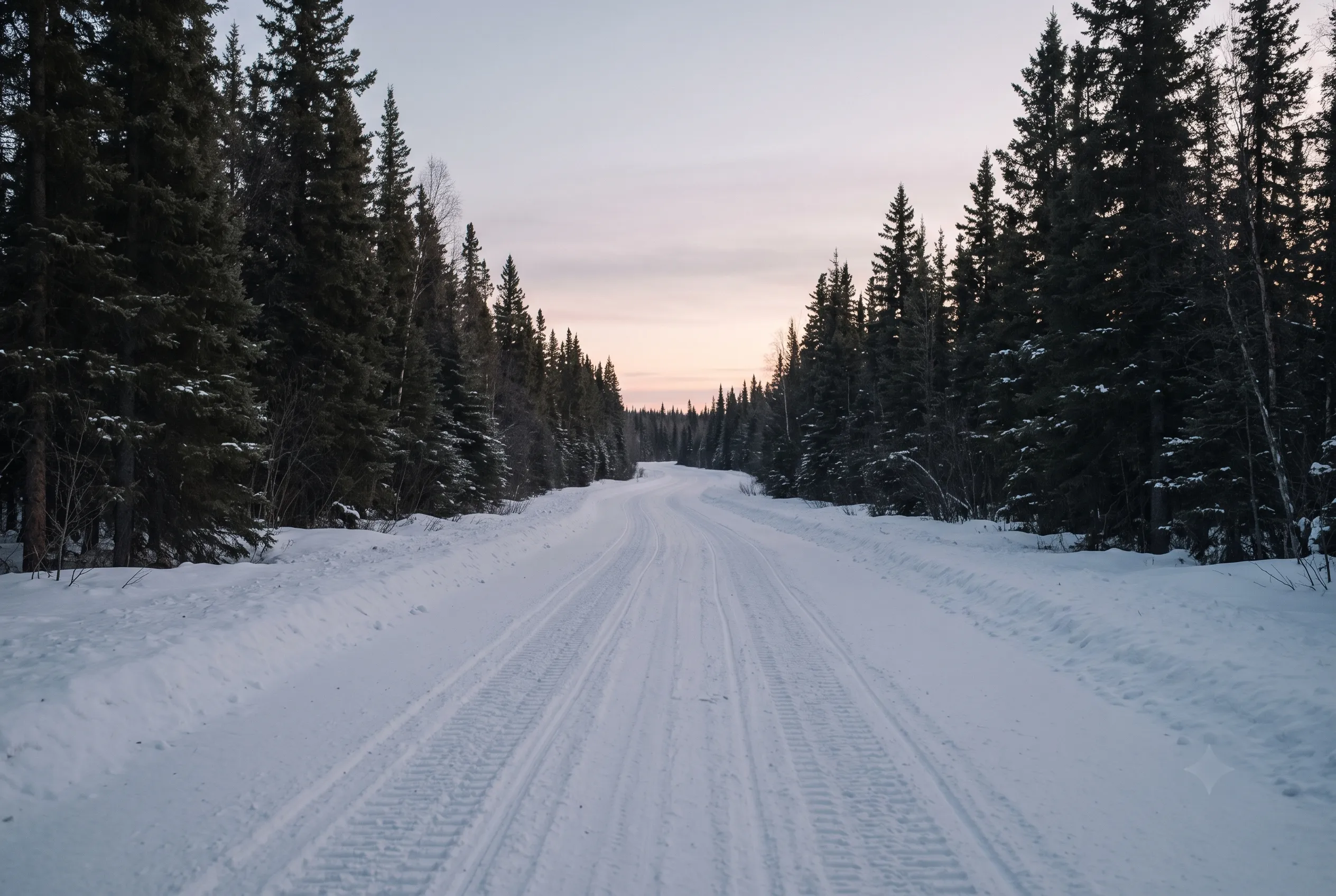
A journey here is not a list of activities. It is the management of light, distance and warmth, and that is a craft.
Signature Experiences
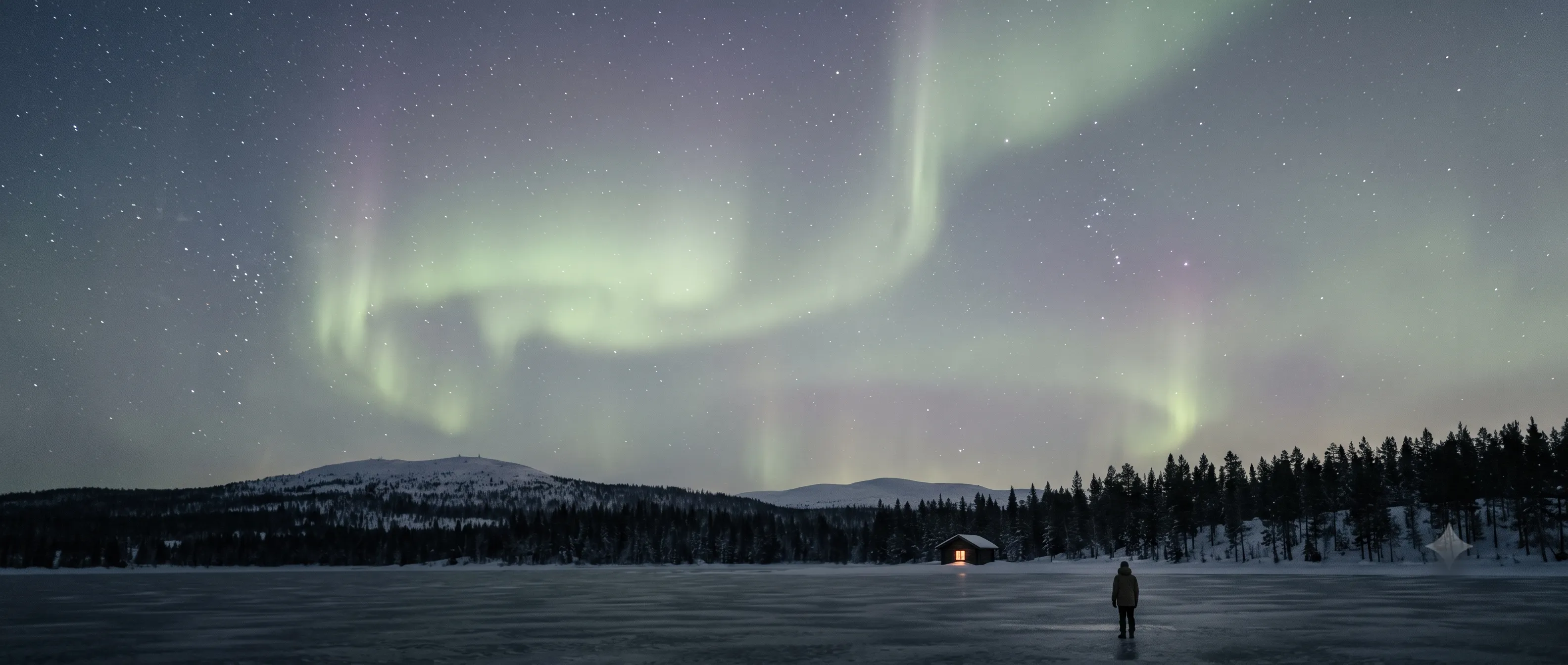
The aurora, pursued properly.
The lights are a probability, not a booking, and everything follows from accepting that. The serious version goes north, stays several nights, and stays mobile: snowmobiles and heated pursuit vehicles chasing clear sky rather than waiting under cloud, with an aurora camp or a glass roof as the fallback rather than the plan. Timing is the whole craft; the traveller who gives the sky three flexible nights sees what the traveller with one fixed evening only reads about.
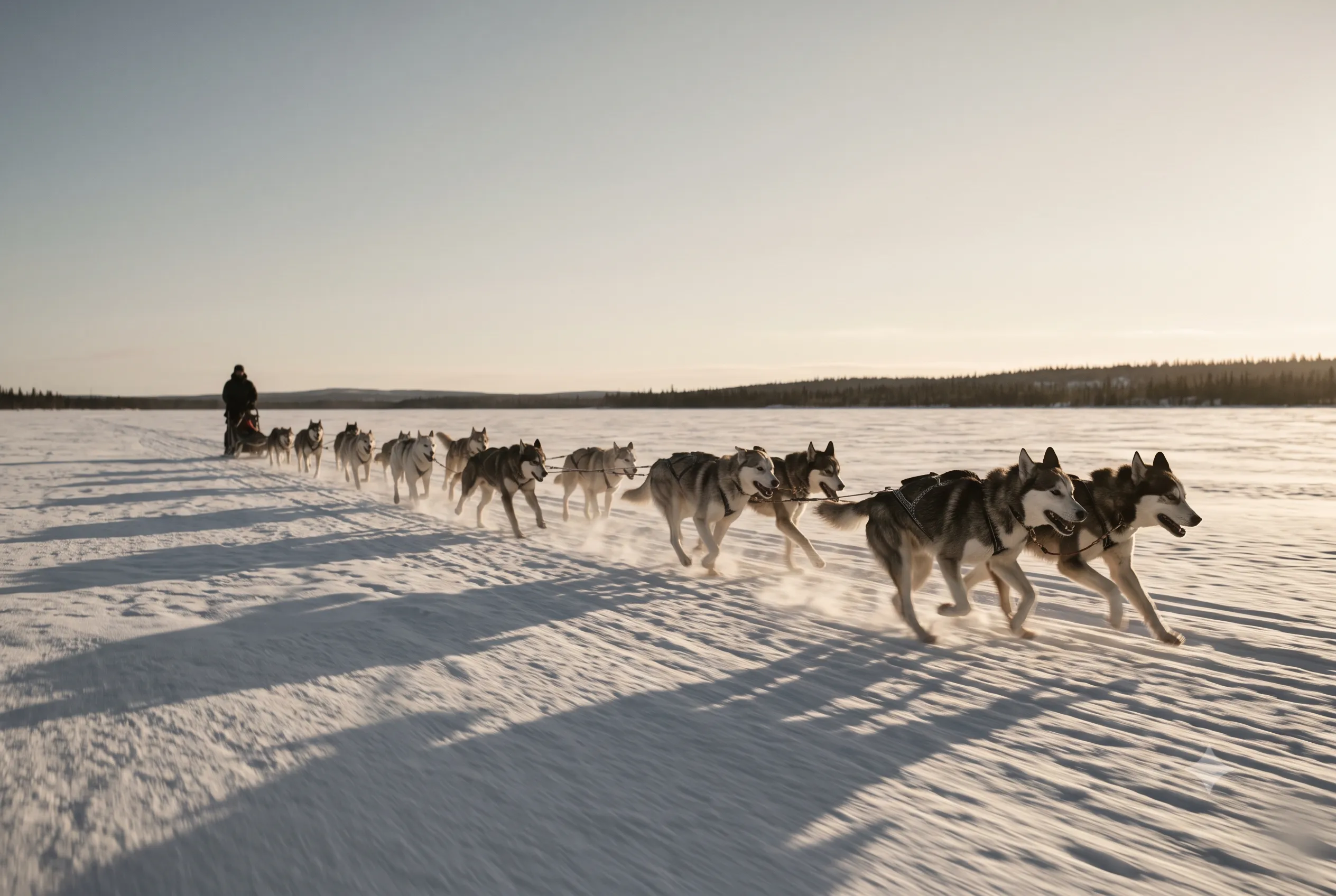
Husky safaris beyond the circuit.
The two-hour tourist loop and the real thing share only the dogs. The genuine safari runs long and quiet, deep into the forest with a musher whose team this is, until the only sounds are runners on snow and breathing. The judgement is choosing distance and small scale over convenience; the reward is the closest thing Lapland offers to disappearing.
A private Father Christmas.
Done properly, it is a genuinely moving half hour: a real cabin, an unhurried welcome, a figure who knows each child’s name and none of the queue’s economics. The genuine article is scarce and arranged well ahead where it can be arranged at all, which is exactly why the commercial version thrives. One private morning outweighs a day of grottos.
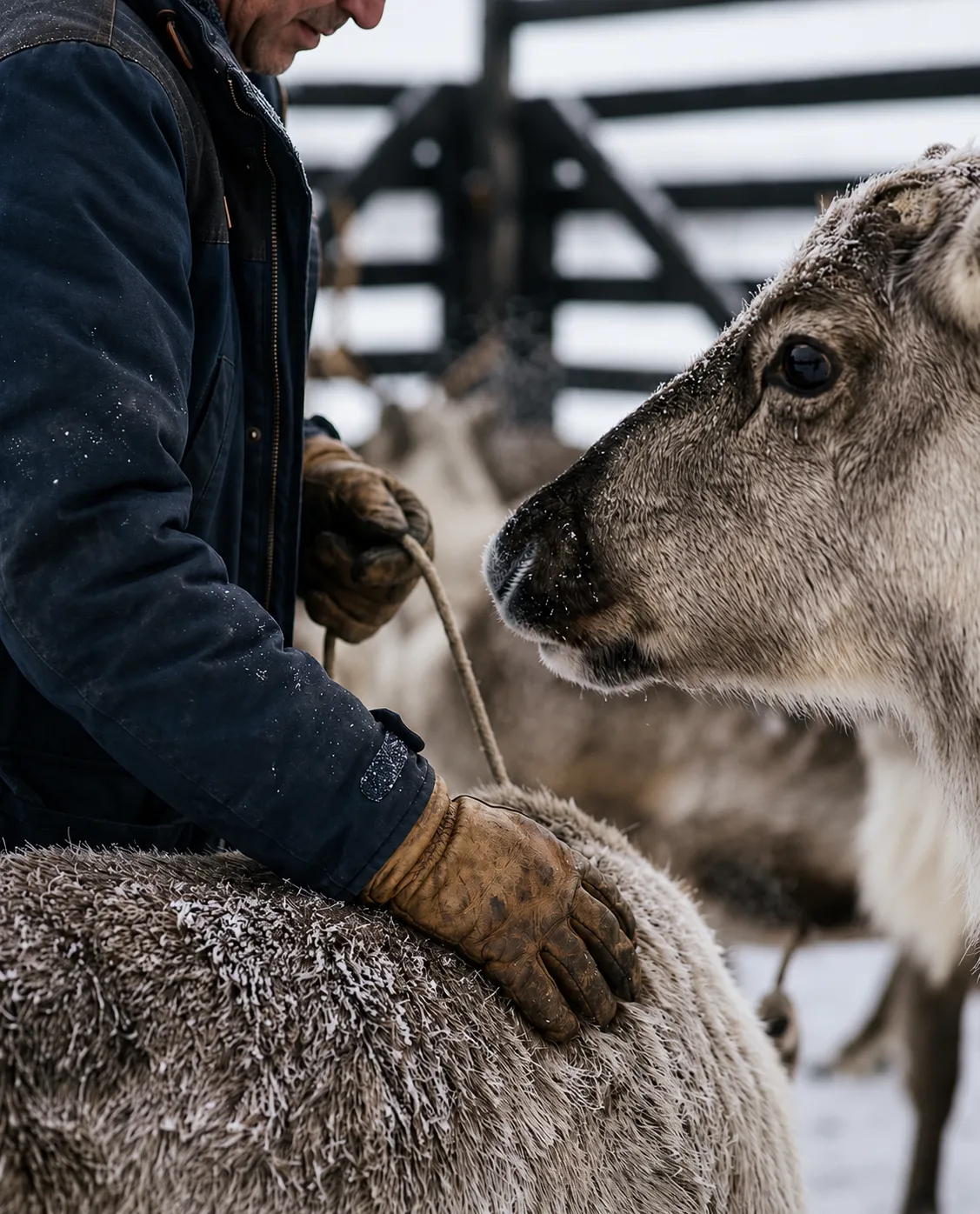
The Sámi, met properly.
Europe’s north has been home to the Sámi for millennia, and meeting that culture honestly, through herders, craftspeople and hosts on their own land and terms, is the deepest thing a Lapland journey holds. The context is what matters: this is a living people with a history of thriving where almost nothing else can, not a performance. Encounters are small, personal and marked by a hospitality that guests remember for years.
Ice driving on frozen lakes.
The incentive centrepiece, and the theatre the Arctic does better than anywhere: serious machinery on a prepared frozen lake, professional drivers alongside, the group version of an experience no boardroom forgets. Timing sits in deep winter when the ice is at full strength, and the window is arranged around it.
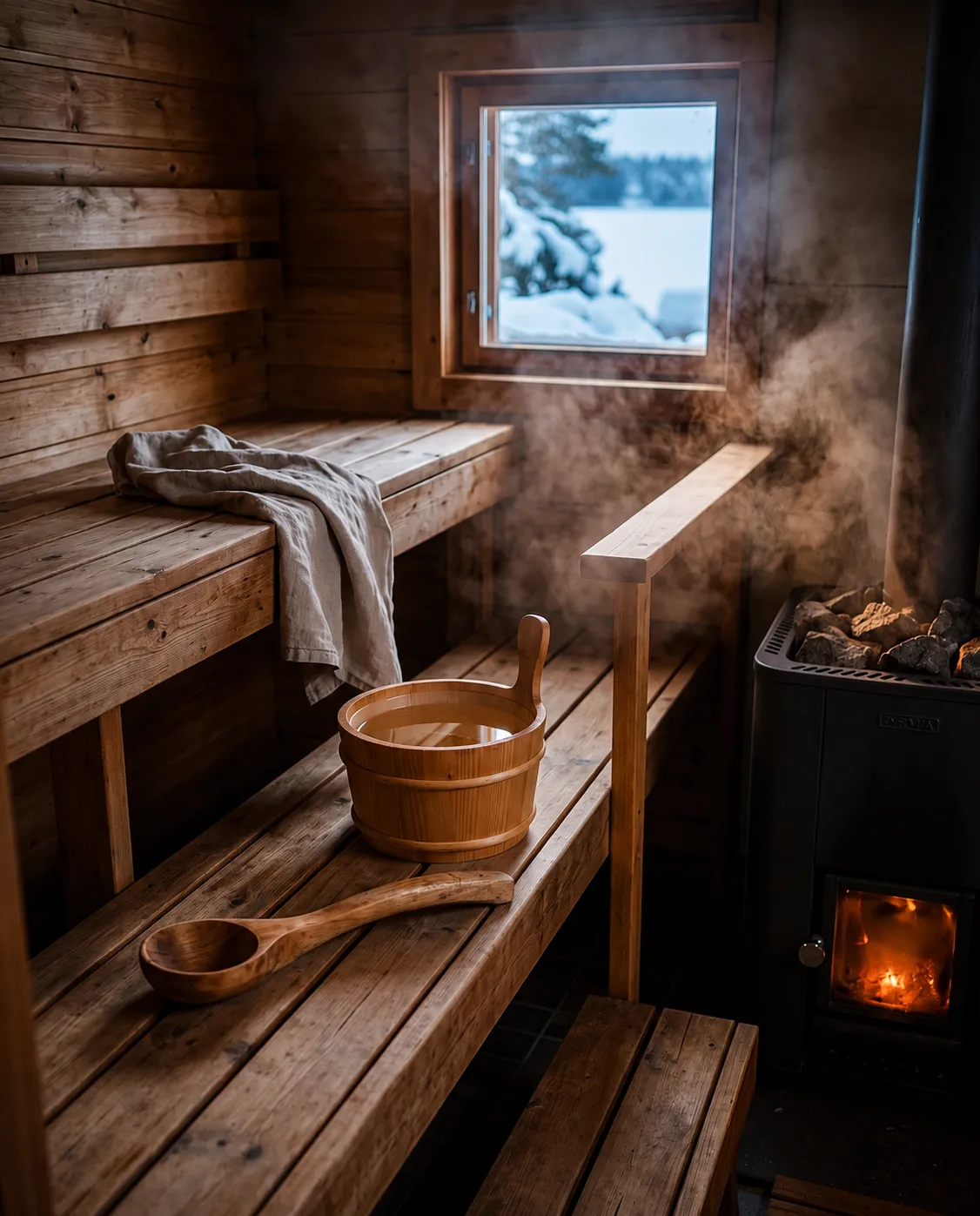
Sauna and the cold plunge.
Not an amenity but the culture’s daily ritual, and the key that unlocks the climate. Heat, ice water, repeat, until minus twenty stops being an adversary. Travellers arrive sceptical and leave converted; it is the experience most often named afterwards as the one that made the Arctic feel like theirs.
When to Go
There is no single best time, only the honest match between the window, the traveller and the reason for the journey. This is how the season actually reads.
Early November.
The season waking: first proper snow in most years, properties opening, the region quiet and priced accordingly. Snow certainty is the honest caveat, deep cold is not yet guaranteed, but for travellers who want Lapland before the world arrives, it is an underrated fortnight.
Late November into December.
The house’s window. Full winter conditions, the festive atmosphere building, the aurora season live, and availability still sane for those who committed early. For couples, friends and most families outside school constraints, this is where experience and value meet.
The Christmas fortnight.
The peak, honestly stated: the highest prices of the year, the fullest properties, the busiest airports, and, for the family with young children, worth every part of it. This is the version of Christmas those children will measure every other against. Everyone else should read the first judgement above and choose January.
January.
The same Arctic, empty. Snow at full depth, the coldest and clearest skies of the season, lodges and tables that were unbookable three weeks earlier suddenly open. For couples, aurora chasers and anyone whose Lapland is the silence, January is the connoisseur’s month, and the engagement month far more often than December.
Late winter, February to April.
The light returns and the scenery peaks: longer days over deep snowpack, the fells at their most beautiful, the crowds gone home. The further north the journey runs, the later the aurora season stretches, carrying serious lights-chasers into spring. Families outside the Christmas imperative often find their best Lapland here, and photographers almost always do.
One honesty belongs beneath all five windows: the Arctic does not sign contracts. Early November snow is likely, not promised; December cloud can hide the aurora for nights at a time; a late-winter thaw can arrive early. This is not a reason to hesitate, it is a reason to design with slack, choose bases that are wonderful in any weather, and treat the sky as a gift rather than a schedule. The travellers who love Lapland most are the ones who let it behave like itself.
Questions
- Do we need a travel advisor for Lapland?
- For a simple trip, one hotel, standard activities, flexible dates, honestly, perhaps not. Lapland needs an advisor when the journey carries stakes: a Christmas that cannot be rescheduled, a villa that is not bookable online, private experiences that sell out in autumn, or a group whose logistics must simply work at minus thirty. The more the trip matters, the more the judgement does.
- How many nights do we need?
- Three as the considered minimum; four or five where Lapland is the year’s centrepiece. Fewer than three and the Arctic is glimpsed rather than met.
- When should we book?
- For Christmas and the finest villas, months ahead, ideally by early autumn. The best of Lapland is committed before the season begins; late booking does not usually mean no trip, it means the trip assembled from what remained.
- When is the best time to go?
- It depends on the traveller. Young families: the Christmas fortnight. Couples and aurora chasers: January and the far north. Scenery, space and light: February onwards. The full seasonal read is in the guide’s When to Go section.
- Is Lapland right for a honeymoon, a family, or a corporate group?
- All three, in different versions. The honeymoon runs late-season and north, aurora-led. The family runs near Rovaniemi, built around the children. The corporate group takes the Arctic’s theatre: ice driving, aurora pursuit, wilderness dinners, exclusive use. The place carries the occasion; the version must match it.
- Is Lapland only about Father Christmas?
- No, and treating it that way is the region’s most common mistake. He is one chapter, roughly a third of what the house arranges there, inside a destination of wilderness, Sámi culture and extraordinary light that rewards travellers with no interest in him at all.
- How much should we budget?
- Cost in Lapland is driven by three things: the base, since exclusive-use lodges and private villas define the top of the market; the privacy of the experiences, since the genuine small-scale versions are finite; and timing, since the Christmas fortnight is the season’s peak and early commitment secures the rest. A conversation about the occasion settles the number quickly; the figure follows the journey, never the reverse.
- How does planning with Maison Emerald begin?
- With a conversation about the occasion, not a form about dates. The house designs backwards from what the journey is for, then holds the bases, tables and experiences that fit it, in a season where holding early is most of the craft.
Begin with a conversation.
Lapland is planned in autumn and lived in winter. If this season is the one, the conversation starts now. Tell us who is travelling and what the occasion is; a destination is not required.
They call it once in a lifetime. We plan it as the first of several.